Solar Project Finance Model: A 1,000 MW Algeria PV Bid
Renewable Energy | Project Finance | Competitive Bidding
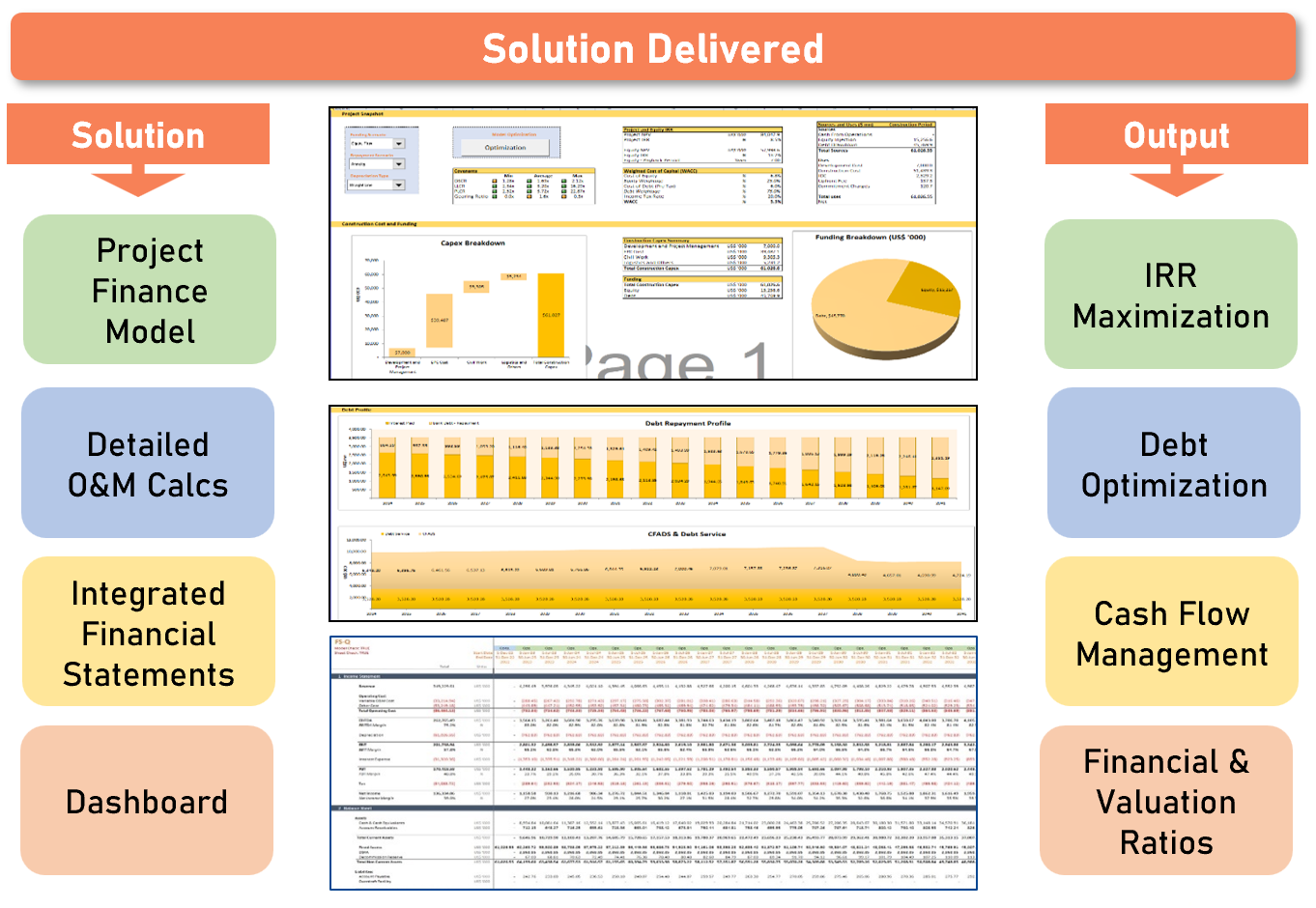
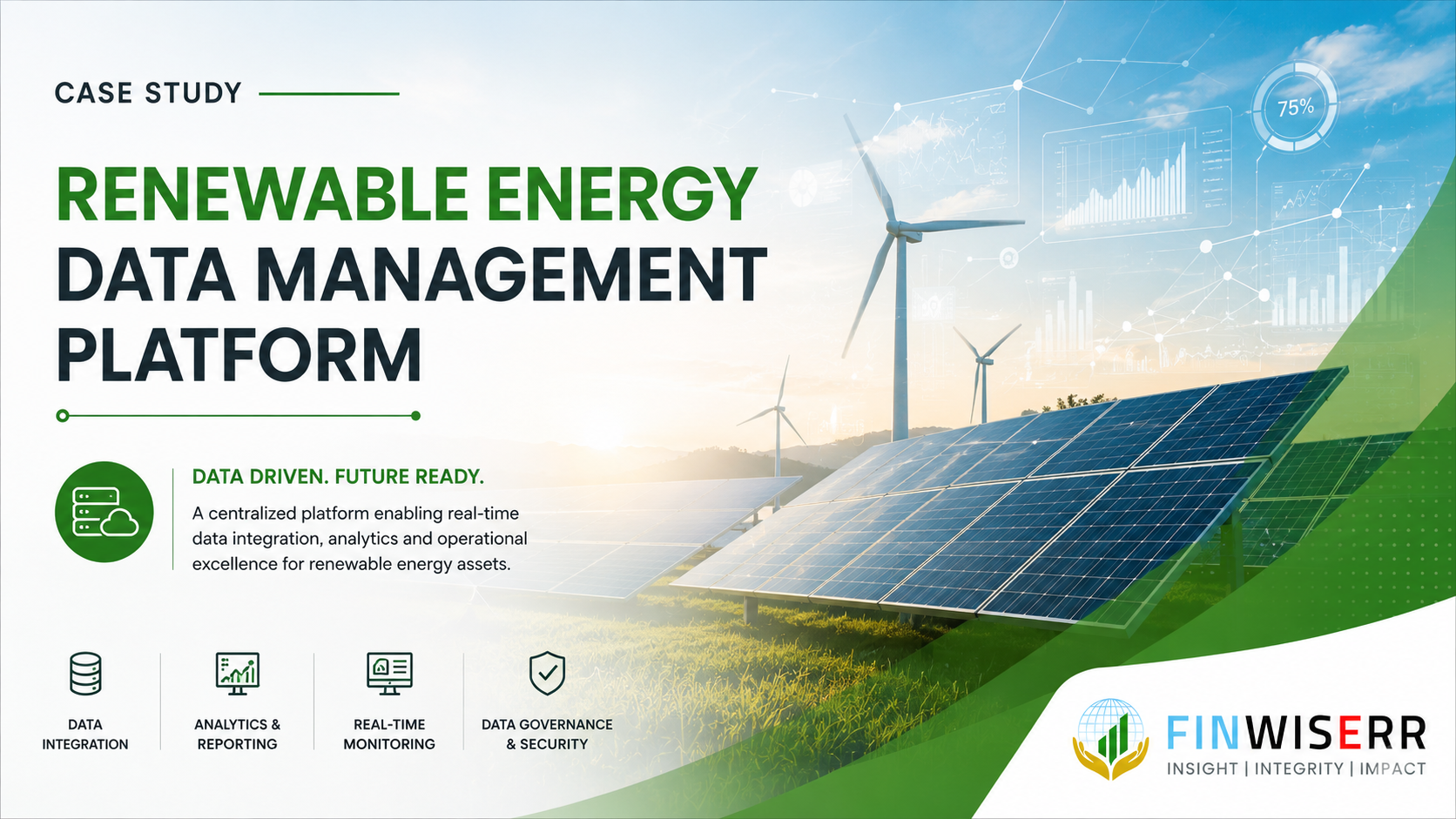
Finwiserr built a solar project finance model to support a France-based client’s bid for a 1,000 MW Solar PV plant in Algeria. The brief was demanding: translate a large-scale, capital-intensive development into a financially sustainable, competitively priced bid — one robust enough to withstand lender and investor scrutiny while still winning the tender.
Bidding on a project of this scale means the solar project finance model has to do two jobs at once: support an aggressive, competitive tariff, and prove the project remains bankable over a 25-year operating life. Get the assumptions wrong — on generation yield, financing terms, or capital structure — and the bid is either uncompetitive or unfinanceable.
Building the Solar Project Finance Model
The model incorporated project costs, energy generation, operating expenses, financing terms, taxation, and project timelines — one year of construction followed by 25 years of operations. From there, it tested alternative debt-equity structures and financing scenarios to identify the capital structure that would maximise shareholder returns while keeping the project financially sustainable over its full life.
- ✔ Tariff & Revenue Scenarios — Multiple Feed-in-Tariff (FiT) and merchant price scenarios, with indexation options and P50/P90/P95 annual yield profiles built in.
- ✔ Debt Structuring — A flexible debt matrix covering annuity and sculpted repayment options, plus DSRA sizing, with full analysis of debt covenants including DSCR, LLCR, and PLCR.
- ✔ Return Analysis — NPV, IRR, and full cash-flow analysis to interpret and maximise shareholder returns under each financing scenario.
Why the Financing Structure Matters
Financing costs have become an increasingly decisive factor in renewable energy bids. As global interest rates have shifted, the cost of capital for solar and wind projects has moved meaningfully — and that shift flows straight into the levelised cost of electricity a bid can competitively offer. IRENA’s research on renewable energy financing costs highlights just how much cost-of-capital assumptions can swing the economics of a utility-scale solar project — which is exactly why a solar project finance model needs to stress-test debt and equity structures rather than rely on a single static assumption.
The Outcome
The finished solar project finance model gave the client a clear, defensible basis for its Algeria bid — a competitive tariff underpinned by an optimised capital structure, with the debt covenants and return profile needed to satisfy both bid evaluators and future lenders.
Preparing a bid for a large-scale renewable energy project?
Talk to Our Project Finance Team