$120.00
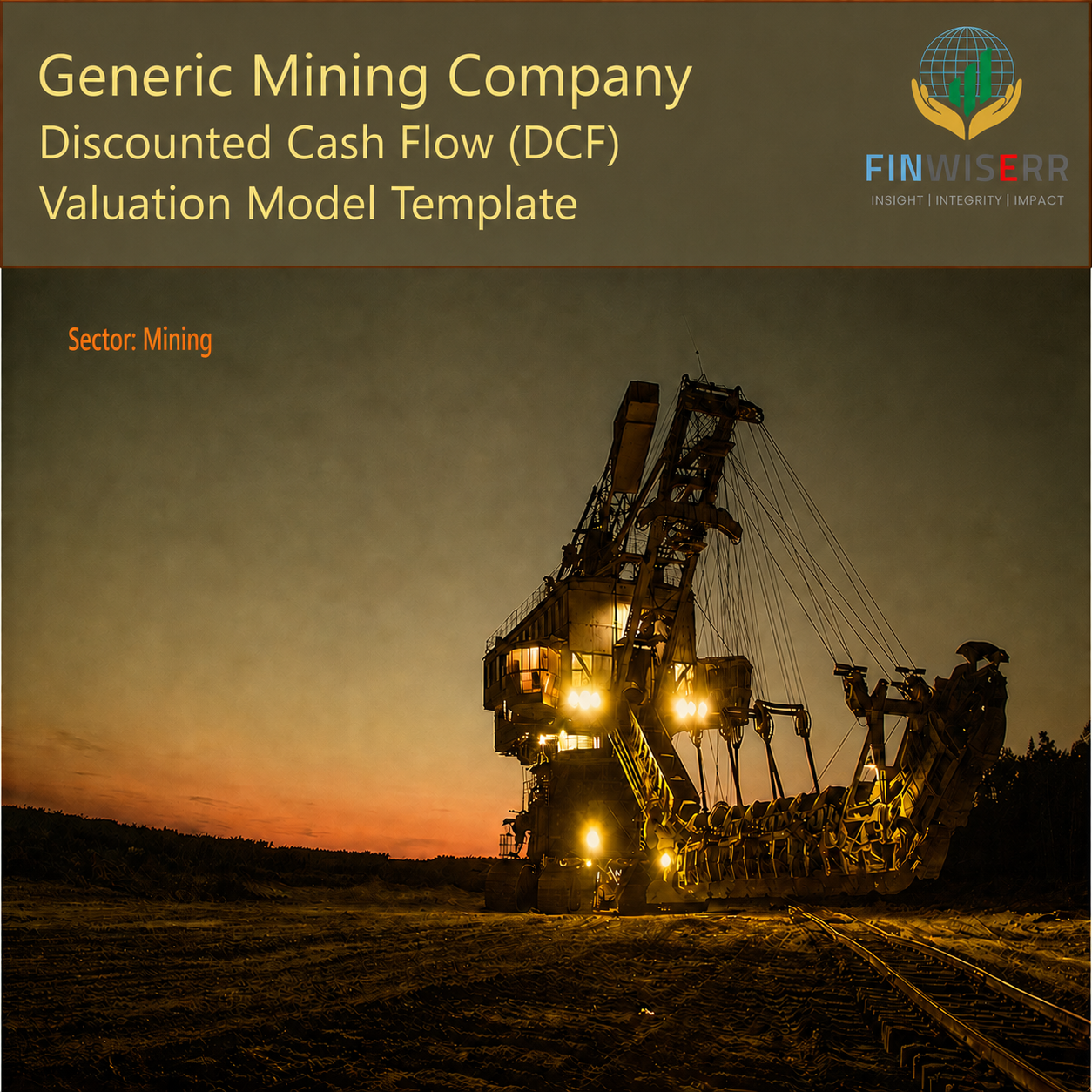
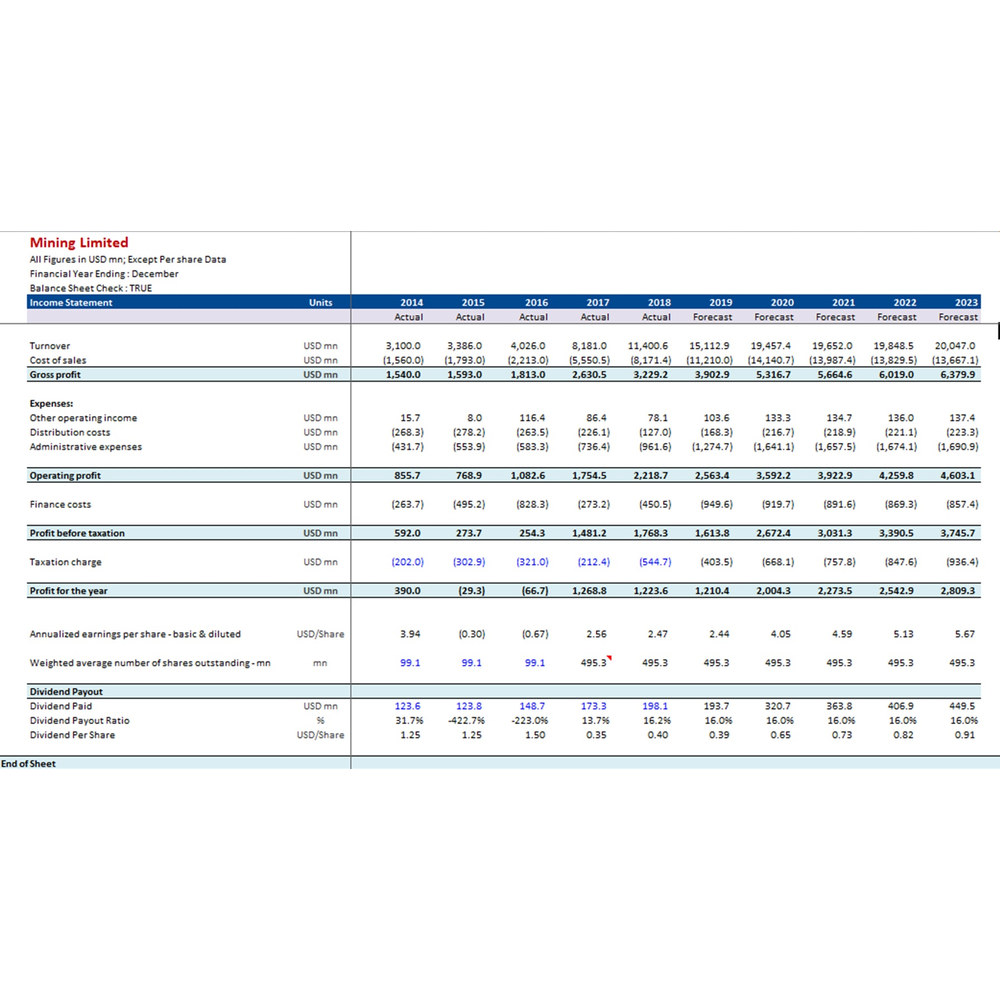
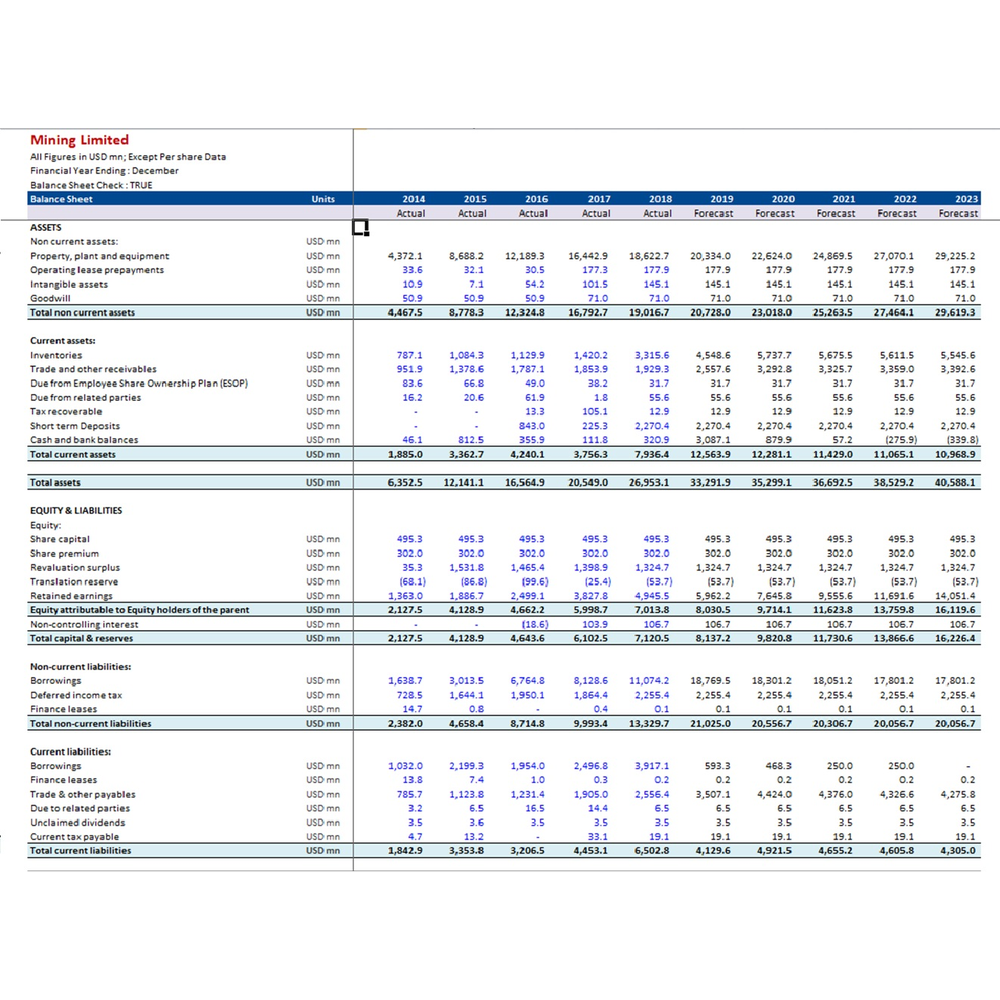
A detailed, user-friendly mining financial model with three integrated financial statements, DCF and comparable company valuation, built entirely in Excel.
Mining is a capacity-and-commodity business, and it is one where the valuation lives or dies on assumptions a generic template simply cannot hold. Production volume, unit price, operating cost per tonne and the reinvestment needed to sustain output all move independently, and often on different cycles. A model that starts from a revenue growth rate tells you nothing about the thing that actually matters — how much you can produce, at what price, and at what cost.
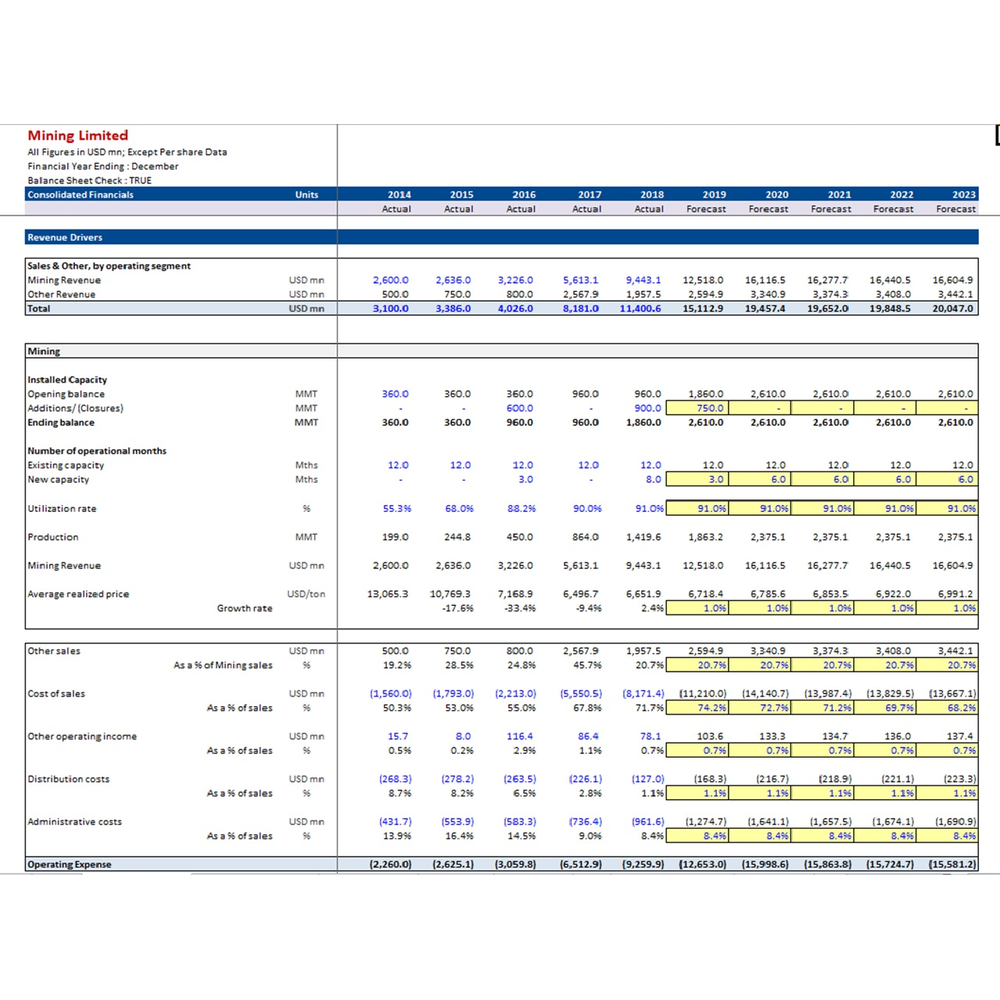
This model builds revenue from capacity, production, sales volume and unit price, so utilisation and commodity pricing become variables you can flex directly. Operating cost and distribution are kept separate, which matters in a sector where getting the product to market can be as significant a cost as extracting it in the first place.
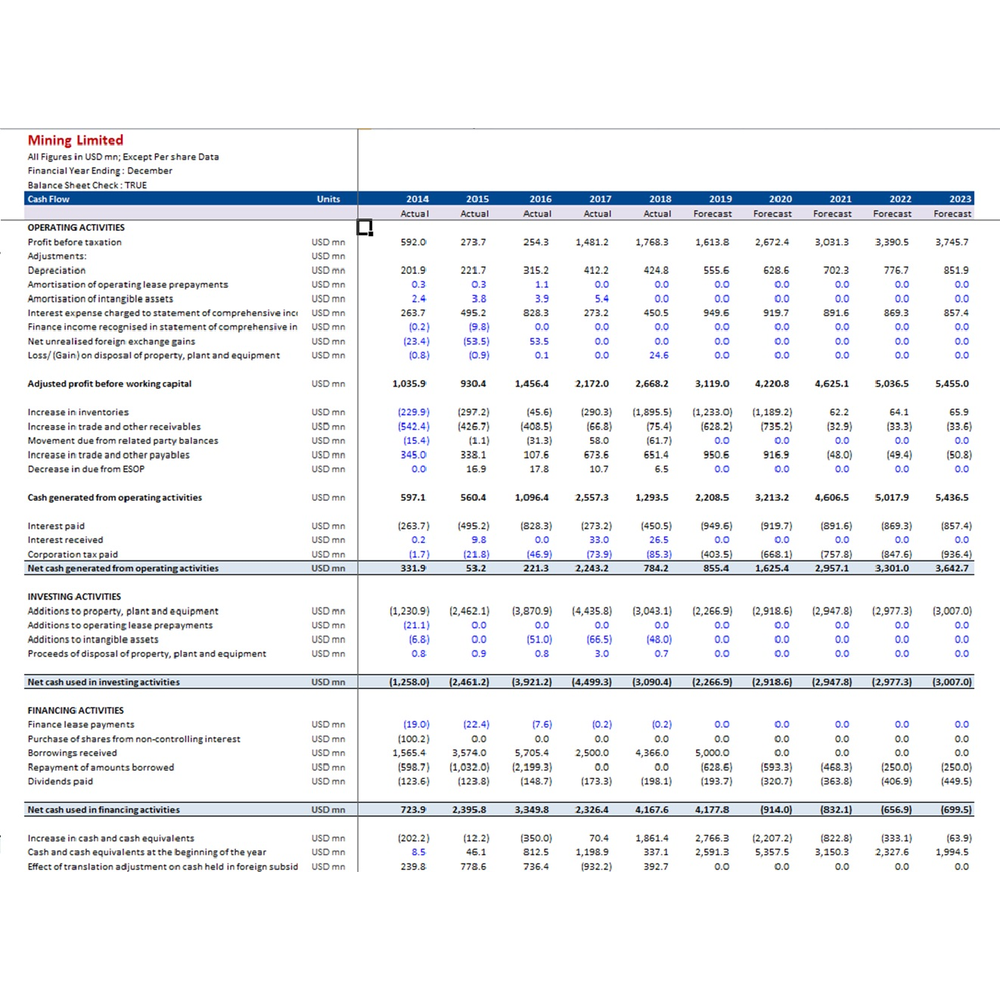
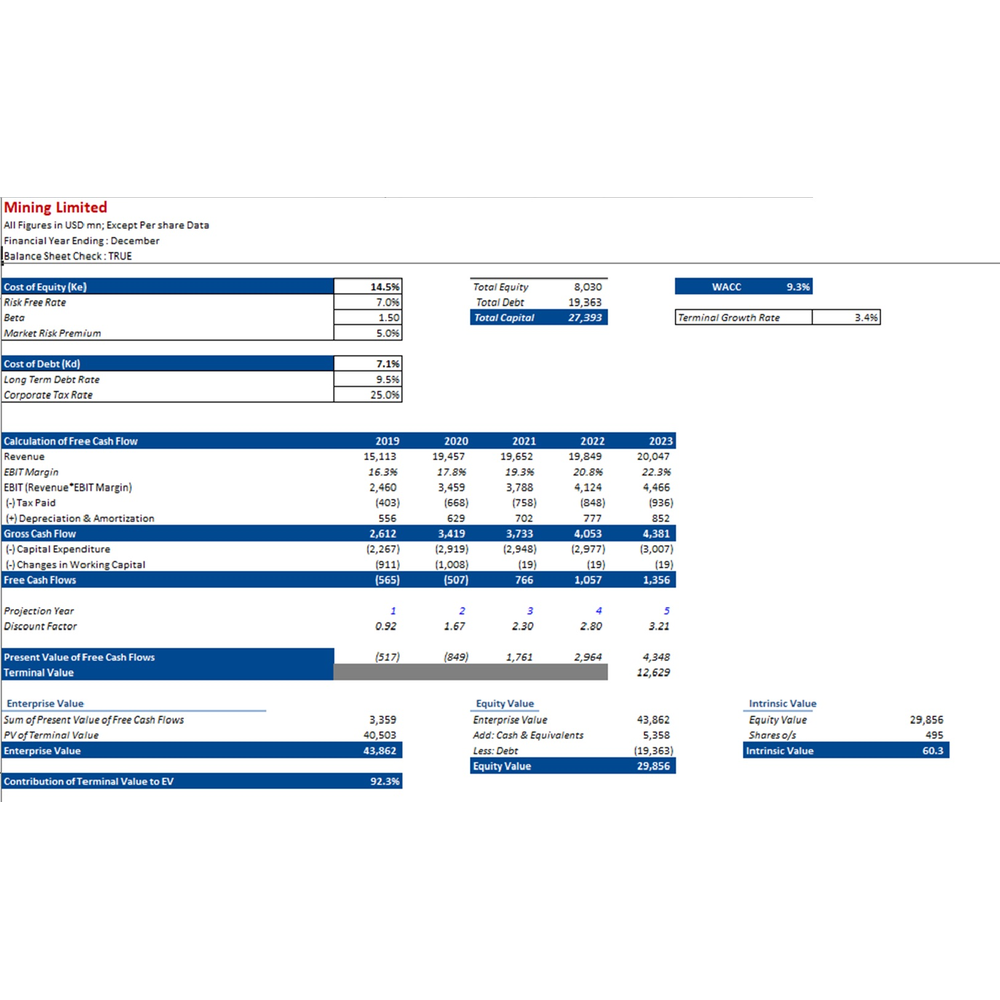
The model covers 5 years of historical data plus a 5-year forecast period — a longer historical window than most templates offer, which matters in a cyclical sector where a single year tells you little. Valuation uses both discounted cash flow methodology and Comparable Company Analysis.
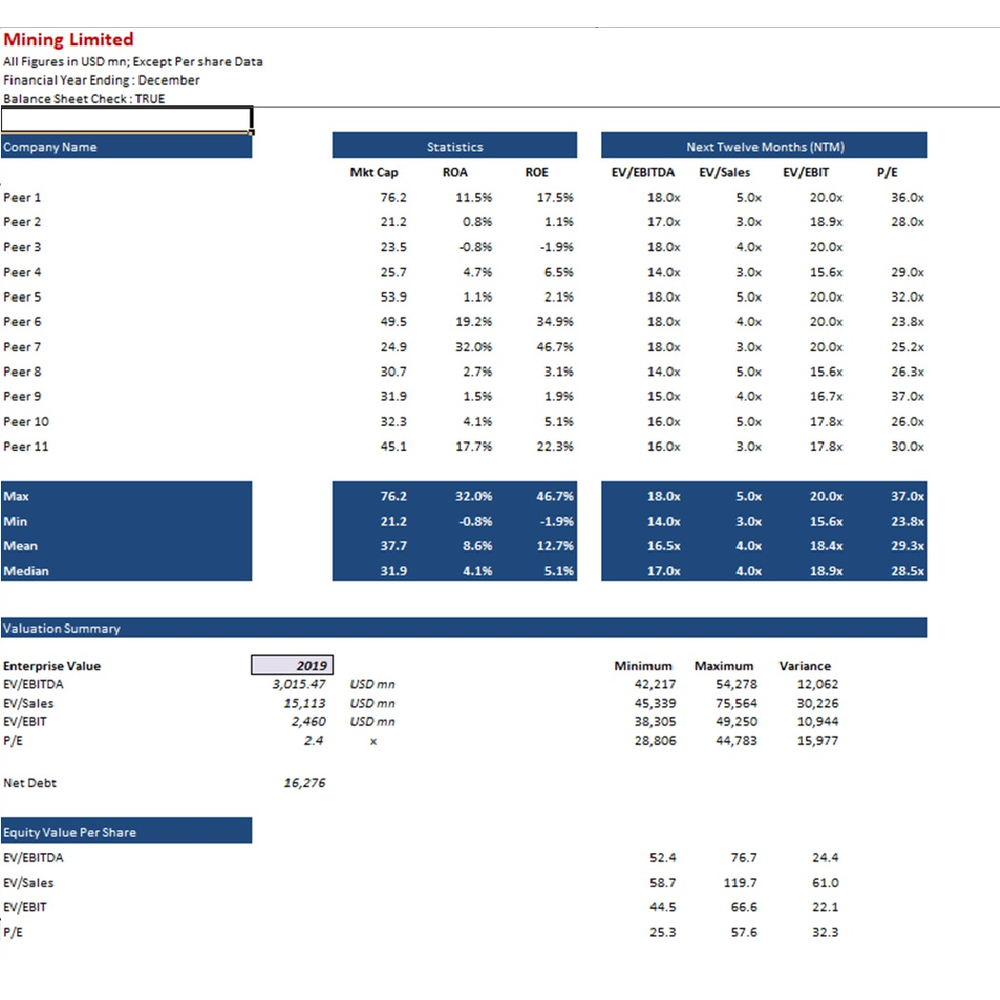
A DCF captures the intrinsic value of the forecast cash flows. Comparable company analysis anchors that against how the market is actually pricing mining peers. In a commodity sector, where sentiment and cycle can pull the two apart, seeing both side by side is genuinely informative — and gives you a defensible range rather than a single point estimate.
The five-year historical window feeds both. A longer run of actuals gives your margin assumptions, cost trends and reinvestment ratios a firmer footing than a three-year snapshot taken at one point in the cycle.
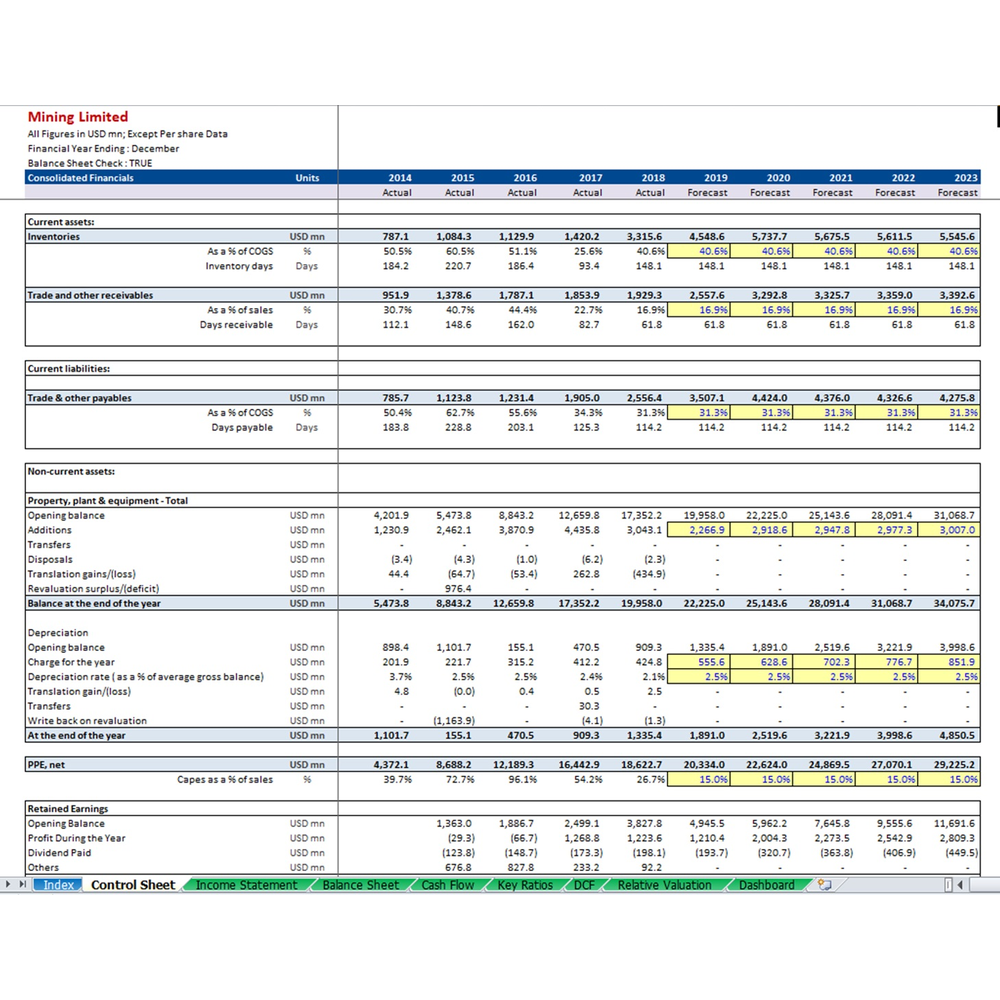
A single control sheet drives the entire model. Change an input and every statement, ratio and valuation output updates automatically. The inputs cover:
| Revenue | Capacity, production, sales volume and unit price |
| Costs | Operating cost, distribution and other operating expenses |
| Working Capital | Receivables, payables and inventory |
| Capex & Depreciation | Tangible and intangible assets, with full amortisation schedules |
| Debt | Debt addition and repayment schedules |
| Dividends | Dividend calculation with tax impact |
| Interest | Interest income and interest expense calculations |
Comprehensive calculations run off your inputs to generate a complete set of outputs:
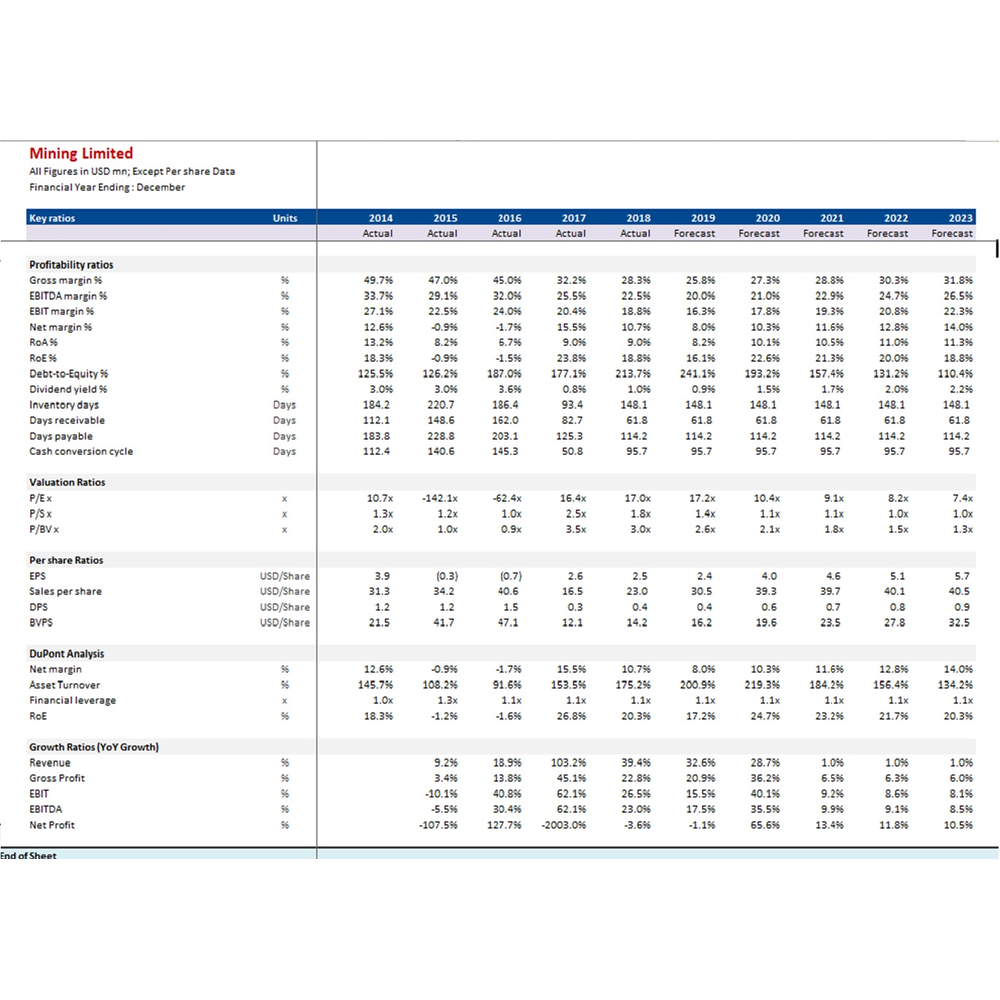
The analysis sheet goes considerably beyond a standard ratio summary, giving you the metrics an analyst would expect in a full valuation pack:
Price and EV-based valuation ratios, enterprise value, plus per-share data including EPS, DPS and FCFF per share.
Margin ratios, return ratios and a full DuPont decomposition of ROE into its operating, efficiency and leverage components.
Gearing ratios, liquidity ratios and coverage ratios — important for a capital-intensive, cyclical sector.
Activity ratios covering asset and working capital efficiency, plus investment ratios for shareholder analysis.
Revenue builds from capacity, production and unit price, so utilisation and commodity pricing are levers you can pull directly.
A longer actuals window than most templates — essential for grounding assumptions in a cyclical commodity business.
Two valuation methods in one model, so you can present a defensible range rather than a single number.
Need a model built to your own specification? See our financial advisory services, or browse the full range of DCF valuation templates.
Capacity-driven revenue, five years of history, a five-year forecast, DCF and comparable company valuation, and a complete ratio pack.